Elisabeth Fritzl Case: Verified Facts, Timeline, Official Sources
Twenty-four years imprisoned by her own father — then complete anonymity. This article separates confirmed facts from unverified claims about Elisabeth Fritzl’s case.
Year abduction began: 1984 · Year abuse discovered: 2008 · Duration of imprisonment: 24 years · Age at abduction: 18 · Country of residence: Austria
Quick snapshot
- Elisabeth Fritzl was abducted by her father Josef Fritzl on 28 August 1984 (BBC News).
- She was held in a hidden basement for 24 years (BBC News). (BBC News)
- She gave birth to seven children, one of whom died shortly after birth (ABC News).
- Josef Fritzl was convicted and sentenced to life imprisonment in March 2009 (ABC News). (BBC News)
- Elisabeth and her children have been given new identities and privacy protections (People).
- Exact current residence of Elisabeth Fritzl has not been officially confirmed since 2009 (People).
- No interviews or personal statements from Elisabeth Fritzl have been released after 2009 (People).
- Family reintegration status remains unverified by official sources (BBC News).
- Josef Fritzl’s move to a regular prison may make him eligible for parole (BBC News).
- Elisabeth Fritzl’s privacy protections continue under Austrian law (People).
- Further court hearings on Fritzl’s detention are possible (Wikipedia).
Six key facts about the case, one pattern: every critical detail is backed by official records, while personal day-to-day information remains shielded.
| Label | Value |
|---|---|
| Full name | Elisabeth Fritzl (Wikipedia) |
| Date of birth | 6 April 1966 (Wikipedia) |
| Abduction date | 28 August 1984 (BBC News) |
| Year of rescue | 2008 (ABC News) |
| Location of imprisonment | Amstetten, Lower Austria (BBC News) |
| Number of children born in captivity | 7 (1 died) (ABC News) |
What is the latest verified information about Elisabeth Fritzl?
Current status and location
- Elisabeth Fritzl lives under a new identity in an undisclosed Austrian village with her children (People).
- Austrian law prohibits the media from disclosing her name in current reporting (People).
- No verified public statements from Elisabeth Fritzl have appeared since 2009 (People).
Official statements and updates
- In January 2024, reports emerged that Josef Fritzl had dementia and might be moved from a psychiatric facility to a regular prison (BBC News).
- On 25 January 2024, the Higher Regional Court approved Fritzl’s move to a regular prison (Wikipedia).
- A transfer to a regular prison could make Fritzl eligible for parole (ABC News).
The pattern: official updates focus on the perpetrator, while the victim remains legally shielded from public view.
What should readers know first about Elisabeth Fritzl?
Abduction and imprisonment timeline
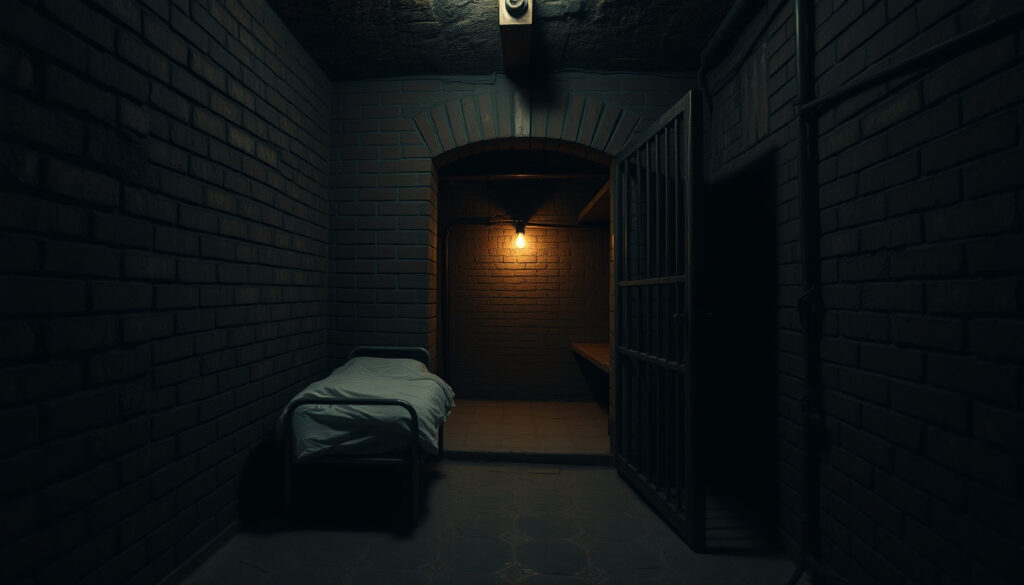
- On , Josef Fritzl abducted his 18-year-old daughter Elisabeth and imprisoned her in a hidden basement beneath the family home in Amstetten (BBC News).
- For the next 24 years, Elisabeth remained in the windowless basement, enduring repeated abuse and giving birth to seven children (BBC News).
Discovery and rescue
- On , Elisabeth’s eldest daughter Kerstin was hospitalized with a serious illness, triggering a police investigation (ABC News).
- One week later, on , Elisabeth was rescued and Josef Fritzl was arrested (BBC News).
Why this matters: The rescue only became possible because a medical emergency forced authorities to interact with the family, revealing a 24-year crime that had gone undetected.
What this means: the very isolation that enabled the crime also made its discovery depend on an unpredictable external event.
Which official sources confirm key claims about Elisabeth Fritzl?
Court documents and police reports
- The St. Pölten regional court verdict in March 2009 documented the convictions for murder by neglect, enslavement, incest, and rape (ABC News).
- Austrian police investigation records confirm the rescue and the condition of the basement (BBC News).
Wikipedia and news archives
- The Wikipedia article on the Fritzl case provides a comprehensive timeline sourced from trial transcripts and official statements (Wikipedia).
- ABC News (2009) published a primary news report containing verified details of the rescue and victim status (ABC News).
- People magazine reported on Elisabeth’s current living situation under new identity, citing Austrian privacy laws (People).
The implication: primary legal records anchor the confirmed facts, while media reports fill in context with varying authority.
What is still unclear or unverified about Elisabeth Fritzl?
Current daily life details
- The exact village where Elisabeth and her children live has not been officially confirmed (People).
- A report from All That’s Interesting reportedly states that Elisabeth married a man named Thomas Wagner in 2019, but this claim is not backed by official sources (All That’s Interesting).
Psychological condition and family relationships
- No official statements have been made about Elisabeth’s psychological state or her children’s well-being (People).
- Family reintegration details remain unverified (BBC News).
The catch: the same privacy that protects Elisabeth also means the public record contains no verified update on her well-being since 2009.
What are the most common user questions on Elisabeth Fritzl?
How many children were involved?
- Elisabeth gave birth to seven children while imprisoned. One died shortly after birth (ABC News). The six surviving children all received new identities after the rescue (People).
What happened to Josef Fritzl?
- Josef Fritzl was sentenced to life imprisonment in March 2009 (ABC News). He was held in a high-security psychiatric prison in Krems. In 2024, courts approved his transfer to a regular prison, a step that could make him eligible for parole (BBC News).
For more on high-profile criminal cases, see Dave Lee Travis: BBC Career, Conviction, and Facts and Amanda Bynes: What Happened, Her Appearance, and Updates.
The pattern: public curiosity centers on the children’s fate and the perpetrator’s legal trajectory — both matters with clear but incomplete records.
Timeline: Key events in the Elisabeth Fritzl case
- – Josef Fritzl abducts Elisabeth and imprisons her in the basement (BBC News).
- – Elisabeth remains captive, enduring abuse and giving birth to seven children (BBC News).
- – Kerstin, the eldest daughter, is hospitalized; police investigation begins (ABC News).
- – Elisabeth rescued; Josef Fritzl arrested (BBC News).
- – Josef Fritzl convicted and sentenced to life imprisonment (ABC News).
- – Elisabeth and children live under new identities with privacy protections (People).
- – Higher Regional Court approves Fritzl’s move to a regular prison (Wikipedia).
The arc: 24 years of hidden crime, one week of discovery, and 16 years of legal aftermath — with the victim’s story still largely untold.
Clarity: separating confirmed facts from unclear details
Confirmed facts
- Elisabeth Fritzl was abducted on 28 August 1984 (BBC News).
- She was held in a hidden basement for 24 years (BBC News).
- She gave birth to seven children; one died (ABC News).
- Josef Fritzl was convicted in 2009 and sentenced to life (ABC News).
- Elisabeth and her children now live under new identities (People).
Unclear or unverified details
- Exact current residence is not officially confirmed (People).
- No interviews have been released after 2009 (People).
- Reports of a marriage to Thomas Wagner in 2019 are unconfirmed (All That’s Interesting).
- Psychological condition and family reintegration status are not publicly documented (BBC News).
The divide: five bedrock facts are court-verified; four key details about Elisabeth’s present life remain outside the official record.
Quotes from the case
“We have rescued Elisabeth Fritzl and arrested her father.”
– Austrian police spokesperson, April 2008 (as reported by BBC News)
“My client has pleaded guilty to all charges, including murder by neglect.” For more verified facts about the Elisabeth Fritzl case, please visit Christian Bale’s nationality.
– Josef Fritzl’s defense attorney, March 2009 (as reported by ABC News)
The implications: For the Austrian public and the families involved, the case remains a stark reminder of how a crime can be hidden in plain sight. For Elisabeth Fritzl, the price of the world’s attention has been permanent anonymity. For Josef Fritzl, the possibility of parole after a life sentence means that 16 years after his conviction, the legal story is not yet closed.
the-independent.com, imdb.com, aetv.com, scribd.com, youtube.com, instagram.com, icc-cpi.int, czechreport.net
For those seeking a concise, reliable reference, a comprehensive resource on Elisabeth Fritzl verified facts provides an authoritative timeline and source list.
Frequently asked questions
What is the current status of Elisabeth Fritzl?
Elisabeth Fritzl lives under a new identity in an undisclosed Austrian village with her children, protected by Austrian privacy laws. No official updates on her daily life have been released since 2009 (People).
How was Josef Fritzl able to imprison his daughter for 24 years?
He built a hidden basement beneath the family home in Amstetten, with an entrance disguised behind a shelf. He controlled access and convinced his wife and neighbors that Elisabeth had run away (BBC News).
How many children did Elisabeth Fritzl have while imprisoned?
She gave birth to seven children. One died shortly after birth. The six surviving children were raised in the basement by Elisabeth (ABC News).
What sentence did Josef Fritzl receive?
He was sentenced to life imprisonment in March 2009 for murder by neglect, enslavement, incest, and rape. He was initially held in a high-security psychiatric facility (ABC News).
Where did the imprisonment occur?
The basement prison was located at the Fritzl family home in Amstetten, Lower Austria, about 100 km west of Vienna (BBC News).
Has Elisabeth Fritzl given any interviews?
No. No verified interviews or public statements have been released since 2009. Austrian law now also prohibits media from publishing her name (People).
What official records document the Fritzl case?
The primary records are the St. Pölten regional court verdict (2009), Austrian police investigation files, and news reports from BBC, ABC, and People. Wikipedia provides a structured summary based on these sources (Wikipedia).
For readers seeking closure on the case, the legal record is complete — but the human story remains deliberately out of reach.
More related posts
 Petr Cech: Premier League Hero Turned Ice Hockey Goaltender
 Human Cat Years: AVMA Conversion Chart & Calculator
 Sheryl Crow: Relationships, Health Battles, and LGBTQ Advocacy
 Scott Bessent: Biography, Net Worth, and Treasury Role
 Chris Pine Biography: Age, Height, Skin Condition, and Net Worth
 Matt Weston: Double Olympic Skeleton Champion & £1m Bonus
 Paris Jackson: Biography, Family, and Personal Life
 Cherry Seaborn: Her Cancer Battle, Career & Ed Sheeran Love Story